
 Image 1 of 2
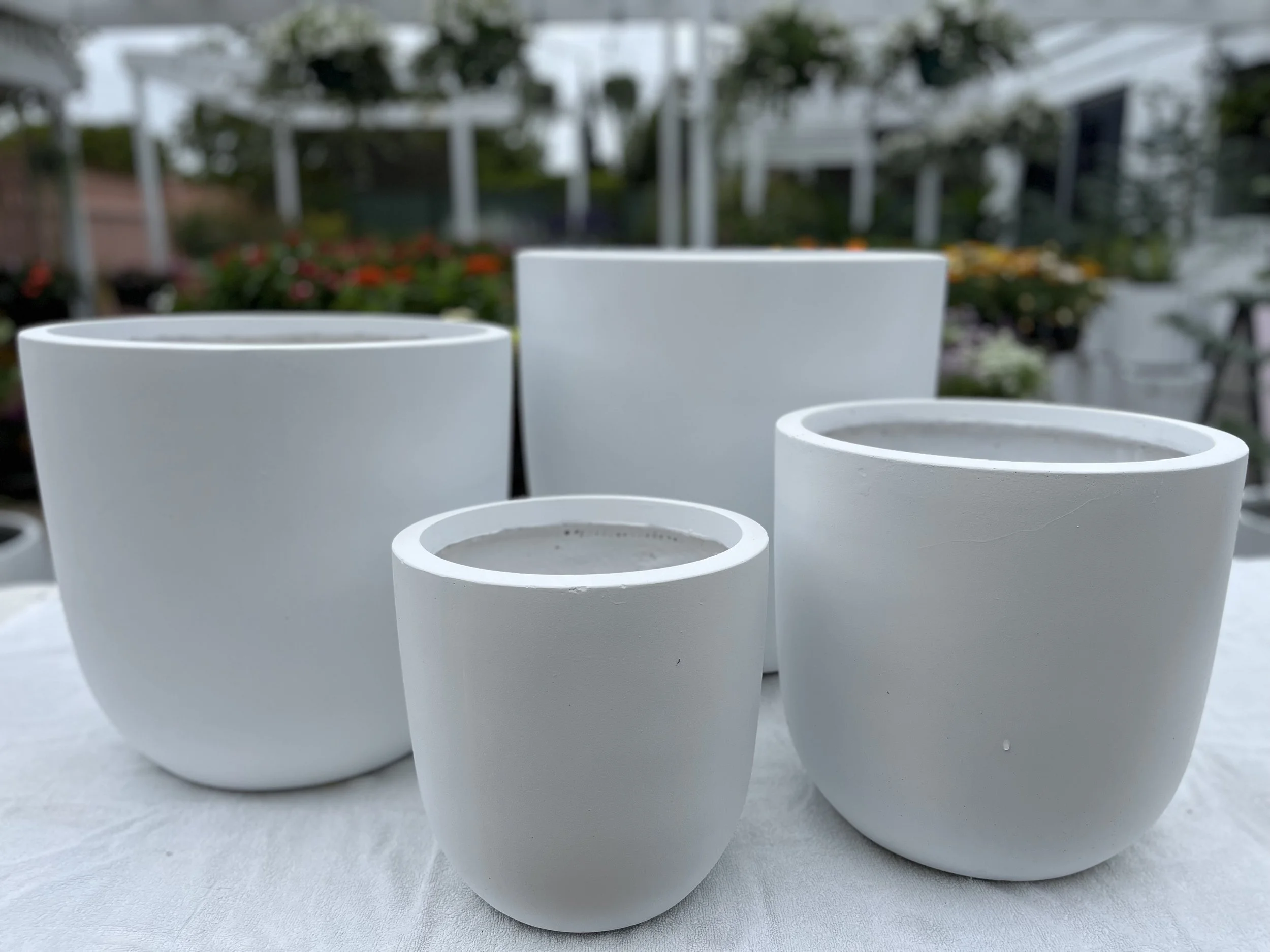 Image 2 of 2
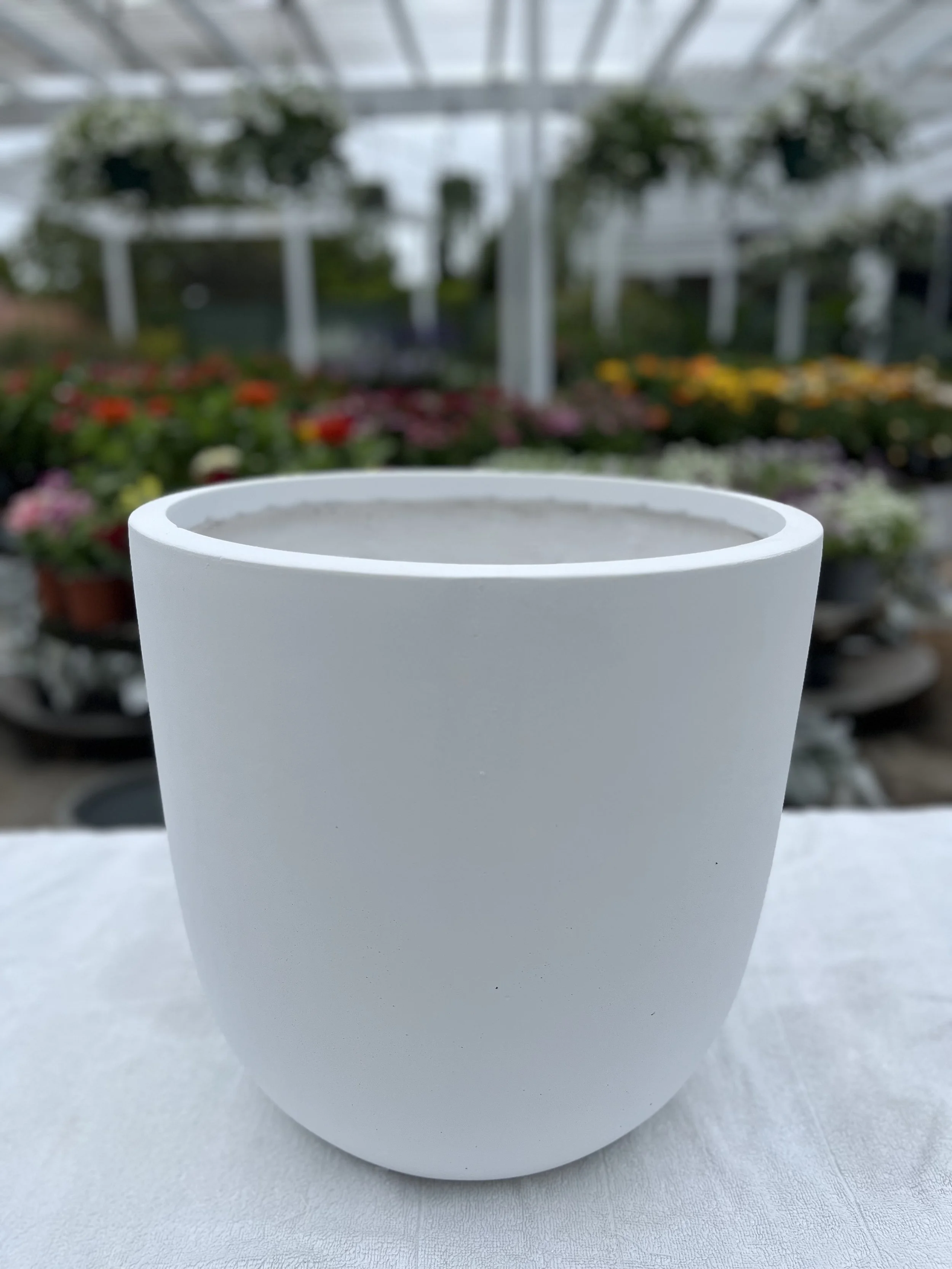
Egg-shaped pots have been bubbling up in popularity across plant shops, Instagram feeds, and modern interiors—and for good reason. Their smooth, organic curves bring a soft, sculptural feel that complements both minimalist and maximalist spaces. Below is a concise guide to what makes them popular and how to style them for the best botanical impact.
Form: Rounded, oval profile with a tapered base or slightly flattened bottom so it sits stably.
Aesthetic: Modern yet timeless—the shape references natural forms and works with many decor styles (Scandi, mid-century modern, boho, and contemporary).
Softens interiors: The lack of harsh angles creates a soothing visual contrast to rectangular furniture and sharp architectural lines.
Versatile scale: Small eggs make cute desk companions; larger ones form focal points with big statement plants.
Photo-friendly: Rounded shapes catch light and shadow nicely, giving plants and pots a polished look on social media
Single-statement look: Use one large egg pot as a focal point with a bold, architectural plant—fiddle-leaf fig, rubber plant, or a tall ponytail palm. Keep surrounding decor minimal to let the form breathe.
Grouping multiples: Combine different sizes and finishes for visual interest. Place a tall, medium, and small egg pot together to create a tiered vignette. Vary plant heights and leaf textures to avoid repetition.
Available in extra small 25cm wide x 25cm high, small 32cm wide x 31cm high, medium 39cm wide x 38cm high, large 46cm wide x 43cm high and extra large 52cm wide x 49cm high and XXL 60cm wide x 56 tall
Call for availability
Egg-shaped pots have been bubbling up in popularity across plant shops, Instagram feeds, and modern interiors—and for good reason. Their smooth, organic curves bring a soft, sculptural feel that complements both minimalist and maximalist spaces. Below is a concise guide to what makes them popular and how to style them for the best botanical impact.
Form: Rounded, oval profile with a tapered base or slightly flattened bottom so it sits stably.
Aesthetic: Modern yet timeless—the shape references natural forms and works with many decor styles (Scandi, mid-century modern, boho, and contemporary).
Softens interiors: The lack of harsh angles creates a soothing visual contrast to rectangular furniture and sharp architectural lines.
Versatile scale: Small eggs make cute desk companions; larger ones form focal points with big statement plants.
Photo-friendly: Rounded shapes catch light and shadow nicely, giving plants and pots a polished look on social media
Single-statement look: Use one large egg pot as a focal point with a bold, architectural plant—fiddle-leaf fig, rubber plant, or a tall ponytail palm. Keep surrounding decor minimal to let the form breathe.
Grouping multiples: Combine different sizes and finishes for visual interest. Place a tall, medium, and small egg pot together to create a tiered vignette. Vary plant heights and leaf textures to avoid repetition.
Available in extra small 25cm wide x 25cm high, small 32cm wide x 31cm high, medium 39cm wide x 38cm high, large 46cm wide x 43cm high and extra large 52cm wide x 49cm high and XXL 60cm wide x 56 tall
Call for availability